Warehouse Fulfillment and Distribution Services in Noida 7 Benefits for Businesses
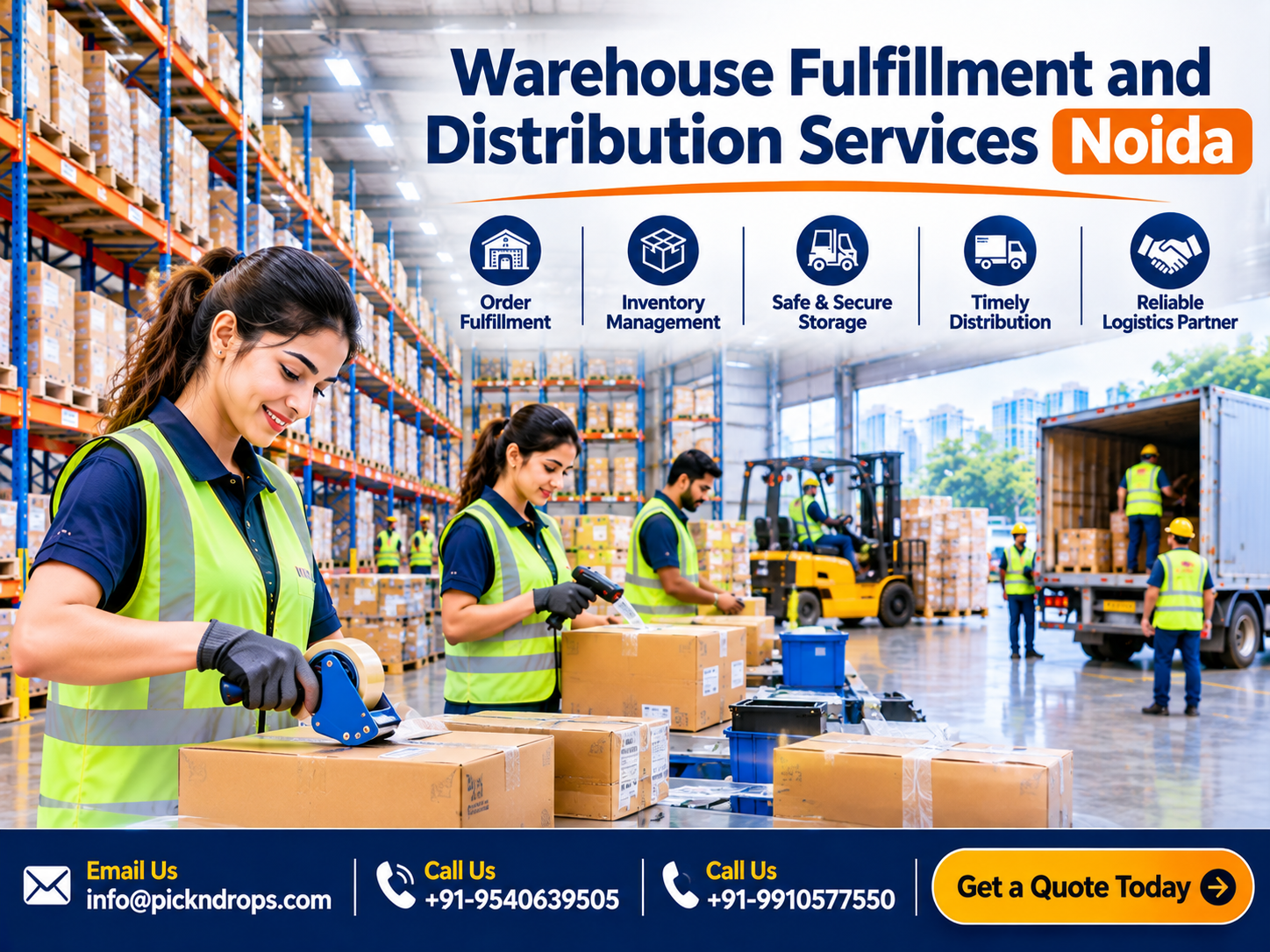
Product management is very crucial to the success of a business. The processes involved in product management include receiving products, keeping them in stock, ordering products, and delivering products, among others. If this process is not well done, businesses might encounter delays in ordering products, stock management, and operational stress, among other things.
That is why several businesses consider using professional warehouse fulfillment and distribution services in Noida. The services will help in organizing stock and in the preparation of orders by businesses.
Businesses such as e-commerce businesses, retailers, manufacturers, and wholesalers need an organized fulfillment process for their warehouses.
What Are Warehouse Fulfillment and Distribution Services?
Distribution and warehousing services include the processes that entail storage of products, inventory management, order processing, and product distribution. Warehousing involves receiving of goods, storage, picking, packing, and shipment of orders. Distribution services involve the movement of orders from one place to another.
Depending on the provider and agreed service arrangement, these activities may include:
-
Receiving and recording incoming inventory
-
Organizing and storing products
-
Inventory tracking and stock management
-
Order processing and product picking
-
Packing and preparing shipments
-
Dispatch coordination
-
Transportation and distribution support
When these processes work together, businesses can manage their product movement through a more organized supply chain.
7 Benefits of Warehouse Fulfillment and Distribution Services in Noida
1. Organized Inventory Management
Inventory management will be more complex as a company deals with many items and orders coming from various customers or locations.
The services of warehouse fulfillment can help companies manage inventory records effectively, find available inventory, and track the movement of products. Organizing inventory will make the process of locating the items much easier.
For businesses operating in Noida, an organized inventory system will help avoid any confusion in the warehouse.
2. Faster and More Structured Order Processing
Order processing involves identifying products, checking stock availability, preparing items and arranging them for dispatch.
When these activities are handled through a structured warehouse process, businesses can reduce unnecessary manual coordination and improve order preparation.
A well-organized workflow can help teams manage regular orders more consistently, particularly when product volumes increase.
3. Better Product Storage and Handling
Different products have different storage and handling requirements. Businesses need appropriate arrangements to keep inventory organized and reduce the risk of damage or misplacement.
Professional warehouse services can provide structured storage arrangements based on product categories, quantities and handling needs.
Before choosing a warehouse, businesses should confirm that the facility is suitable for their specific products and any special storage requirements.
4. Improved Distribution Coordination
Preparing an order is only one part of the fulfillment process. The next important step is ensuring that products are dispatched to the correct destinations.
Distribution services help coordinate the movement of goods from warehouse locations to customers, retailers, distributors or business branches.
For companies in Noida and Delhi NCR, coordinated distribution can help connect warehouse operations with their wider delivery requirements.
5. Greater Operational Efficiency
Managing inventory, storage, packing and dispatch independently can require considerable time and internal resources.
Working with a suitable fulfillment partner may help businesses coordinate these activities through an organized process. It can also allow internal teams to focus on sales, customer service, production and business development.
The right service arrangement should match the company's order volume, product type and operational requirements.
6. Flexibility for Growing Businesses
Business requirements can change as customer demand increases, new products are introduced or seasonal sales begin.
A suitable warehouse fulfillment arrangement can help businesses review and adjust their storage and order-processing requirements as operations develop.
Before finalizing a provider, discuss available storage capacity, order handling arrangements, service scope and the flexibility of the agreement.
7. Support for Better Customer Experience
Customers expect accurate orders and timely updates about their purchases. Problems such as incorrect products, damaged packaging or dispatch delays can affect customer satisfaction.
An organized fulfillment process can help businesses improve order accuracy through better inventory organization, product picking and packing procedures.
When warehouse and distribution activities are coordinated effectively, businesses can work toward providing a more dependable customer experience.
Which Businesses Need Warehouse Fulfillment Services?
Warehouse fulfillment and distribution can support businesses across different industries.
E-commerce Businesses: Online sellers may require product storage, inventory management, order preparation and dispatch coordination.
Retail Companies: Retailers can use warehousing support to organize stock and coordinate product movement to stores or customers.
Manufacturing Businesses: Manufacturers may need storage arrangements for finished goods, components and other inventory.
Wholesale Distributors: Wholesalers handling bulk products may benefit from organized inventory storage and distribution planning.
FMCG Companies: Businesses dealing with frequently moving consumer products may require structured stock management and regular dispatch coordination.
B2B Suppliers: Companies supplying products to other businesses can use fulfillment support to organize orders and manage product movement.
The most suitable service depends on the nature of the products, order frequency, inventory volume and delivery destinations.
How to Choose the Right Warehouse Fulfillment Company in Noida
Selecting a warehouse fulfillment partner is an important business decision. A suitable provider should understand your product requirements and offer services that match your supply chain needs.
Consider the following factors before making a choice:
-
Warehouse suitability: Check whether the facility can accommodate your products and storage requirements.
-
Inventory tracking: Understand how stock records and inventory updates are maintained.
-
Order processing: Ask about the picking, packing, and order preparation process.
-
Product handling: Review procedures for receiving, storing, and handling goods.
-
Distribution support: Confirm how dispatch and transportation are coordinated.
-
Communication: Choose a provider with clear communication and operational updates.
-
Pricing: Understand storage charges, handling fees, fulfillment costs and transportation expenses.
Comparing these factors can help you select a warehouse fulfillment solution that supports your business objectives.
Why Consider Pickndrops for Warehouse and Distribution Requirements?
Businesses need logistics support that fits their inventory, storage, and distribution requirements. Pickndrops provides logistics-related services for companies looking to organize their supply chain operations.
If you are searching for warehouse fulfillment and distribution services in Noida, you can connect with Pickndrops to discuss your business needs, product handling requirements and logistics expectations.
Frequently Asked Questions
1. What is warehouse fulfillment?
Warehouse fulfillment is the process of receiving, storing and managing inventory, then picking, packing and preparing customer orders for dispatch.
2. Which businesses need warehouse fulfillment and distribution services in Noida?
E-commerce companies, retailers, manufacturers, wholesalers, FMCG businesses and B2B suppliers may benefit from warehouse fulfillment and distribution support.
3. What should I check before choosing a warehouse fulfillment provider?
Review warehouse suitability, inventory management, order processing, product handling, distribution coordination, communication and pricing before selecting a provider.